Canon EOS C50 Just Launched — What It Replaces, What to Sell, and What to Buy Instead
GearFocus
Sep 10, 2025

Key Takeaways
- The Canon EOS C50 is Canon’s smallest and lightest Cinema EOS camera ever, weighing just 1.5 pounds and packing full-frame 7K up to 60p, 4K at 120p, and 2K at 180p.
- It introduces 3:2 Open Gate recording and simultaneous multi-aspect recording — making it a powerhouse for creators juggling both traditional and vertical deliverables.
- The C50 doesn’t replace the R5 C directly, but it does push aside older cinema cameras like the Canon C300 Mark III and C200.
- Used cinema cameras are about to get a lot more affordable — especially the C70, which sits just above the C50 in Canon’s lineup.
- If you own a Canon C300 Mark III, C200, or even a C70, now is the time to consider selling to upgrade or capitalize on strong resale demand.
Canon EOS C50: Why It’s a Big Deal
When Canon unveils a new Cinema EOS body, it always makes waves in the filmmaking community. But the C50 announcement hits differently. This isn’t just another incremental spec bump or re-skinned stills camera with “video features.” The C50 is a purpose-built, cinema-first tool — the kind of camera that changes how indie filmmakers, content creators, and even commercial shooters think about building their kits.

Let’s break down why this camera matters:
- Full-frame 7K recording up to 60p, with internal Cinema RAW Light — that’s big-budget quality in a sub-$6K body.
- Dual Base ISO for strong low-light performance and clean dynamic range.
- Compact and lightweight at only 1.5 pounds, making it Canon’s most portable Cinema EOS yet.
- RF mount flexibility, which opens doors to Canon’s newest lenses as well as EF glass via adapters.
- Multi-aspect recording: shoot widescreen to CFexpress while simultaneously grabbing vertical or square crops to SD. Perfect for a YouTube + TikTok + client deliverables workflow.
- 2K at 180 fps — buttery slow motion without bulky rigs.
In short, the C50 is not just about resolution — it’s about workflow freedom. And in today’s creator economy, that might be even more important than sheer pixel count.
Where the C50 Fits in Canon’s Cinema Lineup
Canon’s cinema lineup has always been a bit tricky to navigate. Here’s where the new C50 falls:
- Below the C70 in size and price but offering fresh features like Open Gate recording.
- Above the C100 Mark II (now discontinued) as the new entry-level full-frame cinema option.
- Alongside the C200, though lighter, smaller, and arguably more versatile.
- Next to the R5 C, but with a different purpose: the R5 C is hybrid, the C50 is video-first.
Think of it this way:
- If you’re a hybrid shooter who cares about photography → the R5 C is still your friend.
- If you’re a filmmaker who wants cinema features in the lightest, most modern package → the C50 is your camera.
Canon is effectively bridging the gap between their mirrorless EOS R line and the larger Cinema EOS systems. The C50 becomes the sweet spot for creators who can’t justify the C300 or C500 but want more than a hybrid mirrorless body.
Which Used Cameras Are Now a Better Buy?
Whenever a new body drops, the used market shifts fast. If you’re not ready to spend on the brand-new Canon EOS C50, here’s where the smart money might go:
Canon C200
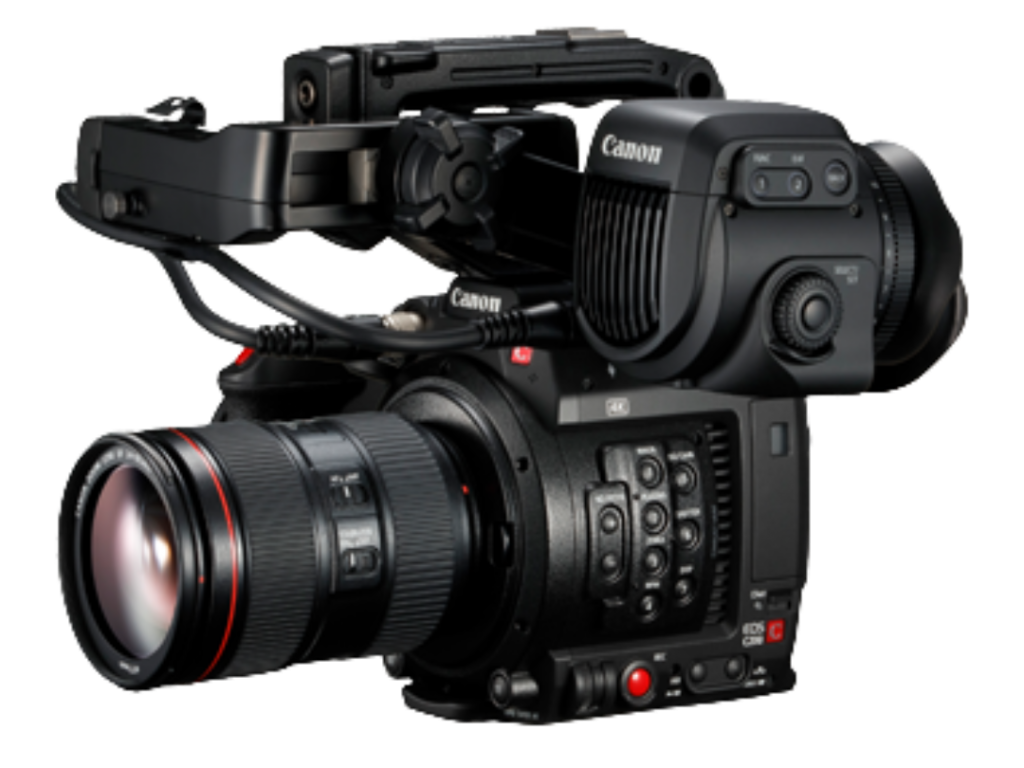
but the Canon EOS C50 makes it look bulky and dated by comparison.
The C200 still holds its place as a RAW-capable workhorse, and with the Canon EOS C50 taking center stage, its resale value is likely to dip. If you’re okay with a bit more bulk, this camera delivers incredible image quality at a price point that’s about to become very attractive.
Canon C300
but falling prices make it a practical alternative for filmmakers not ready to jump to the Canon EOS C50.
The original C300 is dated, but it remains a reliable cinema tool for budget-conscious filmmakers. With more shooters moving on to the Canon EOS C50, the C300 could become a steal for those who want pro-level cinema at entry-level costs.
Canon C300 Mark II

is becoming more affordable as the Canon EOS C50 reshapes the lineup.
Once a go-to mid-tier cinema camera, the C300 Mark II is seeing its resale value drop quickly. It still offers robust codecs and solid performance, making it a smart buy for anyone who doesn’t need the latest bells and whistles.
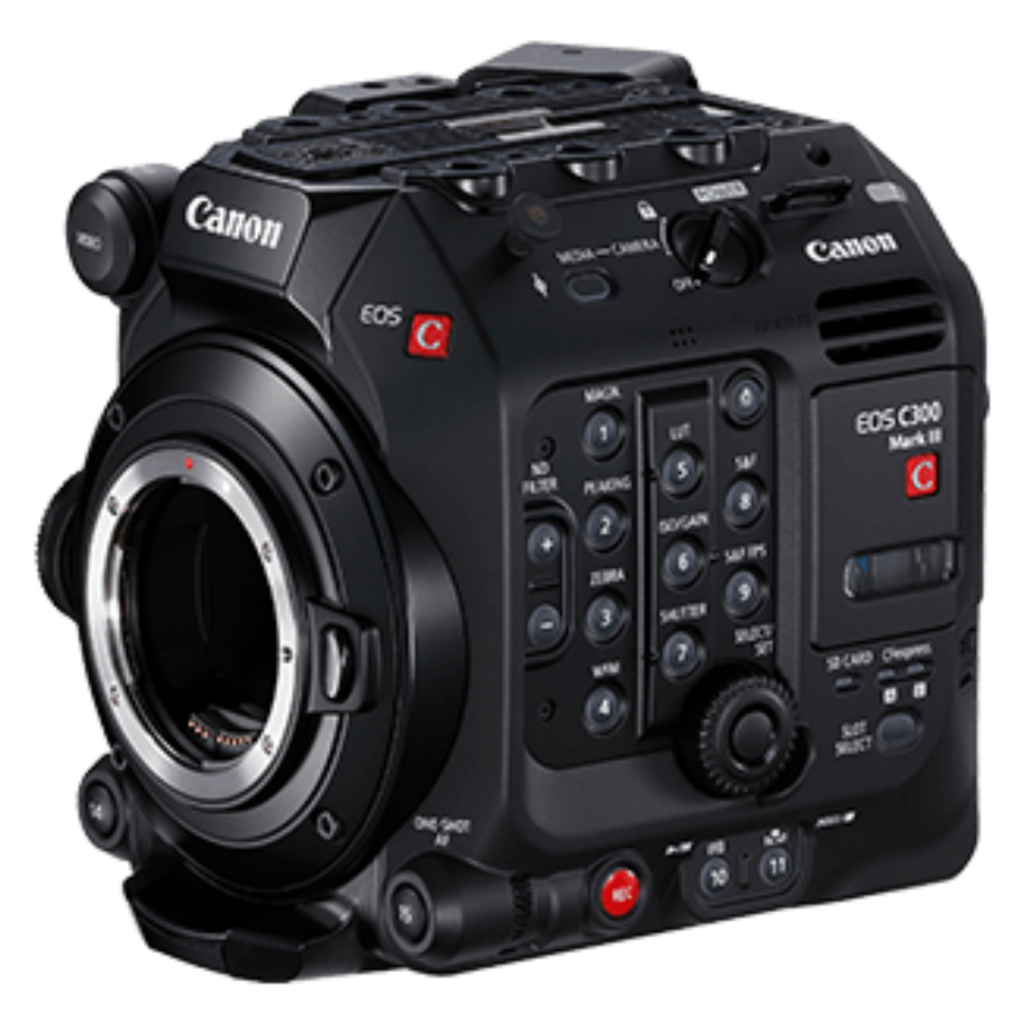
Canon C300 Mark III

but some filmmakers may trade down to the Canon EOS C50 for its size and workflow freedom.
The C300 Mark III continues to impress with advanced features and image flexibility, but some filmmakers may downsize to the lighter Canon EOS C50. That could open opportunities to snag this powerhouse at a more approachable price.
Canon C70

and modern features may drive its used prices lower.
The Canon C70 has been a favorite thanks to its image quality, built-in NDs, and compact body. But with the Canon EOS C50 offering similar flexibility at a lower weight and price, used C70s may soon become one of the best values on the market.
Canon C80

could push more filmmakers toward the Canon EOS C50 or shake up used gear pricing.
The Canon C80 is still new and not widely available, but it’s one to watch closely. If it carves a spot between the C70 and Canon’s higher-end Cinema EOS cameras, it could push prices across the lineup into even more buyer-friendly territory.
Which Used Cameras Are Now a Better Buy?
Whenever a new body drops, the used market gets shaken up. If you’re not ready to drop new-camera money, here’s what to watch for:
Canon EOS C100 Mark II
Prices are already low, but they’ll likely slide further. Great for beginners on a budget.
Canon C200
If you want RAW and don’t mind the bulk, a used C200 might soon be a bargain.
Canon C70
This is where the value game gets fun. The C70’s price may dip enough that budget-savvy shooters can grab it at a discount, while still enjoying its excellent image quality and professional features.
Canon C80
Still new and hard to find, but worth watching. If it settles between the C70 and Canon’s higher-end models, it could make prices across the lineup more buyer-friendly.
Thinking of Upgrading? What to Sell Now
If you’re sitting on Canon cinema gear, timing your sale matters. Here’s the breakdown:
- C100 Mark II: Sell it now. Interest will drop fast as the C50 takes over its role.
- C200: If portability matters more to you than RAW depth, it’s worth moving on.
- C70: Tough call. If you’re a documentary shooter who leans on NDs and the Super 35 look, hold. If you want lighter, more flexible gear, sell and switch.
- R5 C: Don’t panic. It’s still the king of hybrid. But if your focus is strictly video, the C50 may tempt you
Listing on GearFocus means you’ll:
- Keep more money with only a 5% seller fee (vs. 13% on eBay).
- Tap into a marketplace built for photographers and filmmakers, not general electronics buyers.
- Sell faster, since buyers on GearFocus know what they’re looking for.
Who Is the C50 Really For?
Not every new release is a must-buy. So let’s be brutally honest:
Indie Filmmakers
For solo filmmakers and small crews, flexibility is everything. The Canon EOS C50 delivers full-frame 7K recording, buttery slow motion, and multi-aspect capture that saves hours in post, making it the perfect tool for those constantly balancing short films, client projects, and online content.
Wedding Filmmakers
Weddings move quickly and demand efficiency, and the Canon EOS C50 is built for that challenge. Open Gate recording plus simultaneous vertical and widescreen capture ensures you get cinematic edits for the couple and ready-to-post clips for social media without shooting twice.
Documentary Filmmakers
Documentary work requires discretion, endurance, and adaptability, and the Canon EOS C50 excels in all three. At just 1.5 pounds with strong low-light performance, it’s ideal for handheld and on-location shooting where mobility is critical.
Content Creators
For YouTubers, TikTokers, and commercial creators, the Canon EOS C50 bridges the gap between mirrorless hybrids and true cinema systems. It delivers pro workflows in a compact body that won’t overwhelm, making it a natural upgrade for those coming from cameras like the R5 or Sony a7S III.
Who Should Probably Skip the C50
Let’s not overhype. The C50 isn’t for everyone.
- Hybrid shooters → Stick with the R5C or R5 if stills matter.
- High-end cinema productions → The C300, C500, ARRI and Red still dominate for large crews and broadcast work.
- Budget beginners → Grab a used C100 II, C200 or even a used C70 when the prices dip instead.
Why the Used Market Just Got More Interesting
Every new release means someone’s unloading “yesterday’s flagship.” And that’s where smart buyers win.
- Expect C70 listings to climb.
- C200 prices to soften.
- Even R5 C owners may start making moves if the C50 aligns better with their work.
GearFocus will be the hub where these shifts play out. Unlike general marketplaces, every listing here comes from someone in the photo/video community. That means:
- Better listings with accurate condition notes.
- Serious buyers, not lowballers.
- The chance to snag pro gear at the right time.
Final Thoughts: The C50 as a Lineup Disruptor
Canon didn’t just release another camera today. They dropped a disruptor.
The EOS C50 isn’t just a spec sheet — it’s a rethinking of what an entry-level cinema camera can be. It bridges gaps between mirrorless and cinema, gives creators pro workflows without the bulk, and pushes older models into “used-gear steals.”
If you’re a filmmaker ready to upgrade, sell your older Canon cinema body now while the market is hot.
If you’re a creator on a budget, watch the used listings — the C70 and C200 are about to become some of the best deals in video.
And if you’re just curious? Keep an eye on the C50. Because whether you buy it new or scoop up the used deals it creates, this camera is going to reshape a lot of kits in the months ahead.
👉 Ready to sell your old Canon cinema gear or grab the next deal? Start here on GearFocus.
Own one like this?
Make room for new gear in minutes.
