- Buyer protection on every order
Best Used Cinema Cameras for Budget Filmmakers: Affordable Options for Pro Results
Jake Bennett
Sep 19, 2025

Key Takeaways
- Best Used Cinema Cameras for Budget Filmmakers that aren’t compromises—they’re proven tools that have already shaped the way films, ads, and content look today.
- Cameras like the Canon C200, Sony FX6, and Blackmagic URSA Mini Pro still deliver cinematic images that rival many of today’s new releases.
- Buying used means stretching your budget: more money left for lenses, lighting, and sound—the real magic makers.
- Trusted platforms like GearFocus give filmmakers a safer way to shop pre-owned gear with community support behind every listing.
- The smart move isn’t chasing “new”—it’s choosing cameras that have already proven themselves on set and still hold up today.
There’s a moment every filmmaker knows: staring at the blinking cursor of a shopping cart total that feels way too high. That camera—shiny, new, hyped—promises “cinematic” magic. But then comes the question: do you need the latest release to make something that looks good?
Here’s the reality the industry doesn’t always say out loud: many of the images you admire—streaming hits, music videos, even Super Bowl ads—weren’t shot on the brand-new toys. They were shot on cameras that are now sitting comfortably in the “pre-owned” section.
That’s the secret. The gear that defined modern filmmaking is still here, still producing work that pays bills and wins audiences. Buying pre-owned isn’t a downgrade; it’s a strategy. The best used cinema cameras for budget filmmakers give you access to pro results without chaining you to a payment plan or burning your production budget on day one.
Why Pre-Owned Matters More Than Ever
Streaming, YouTube, TikTok, client work—filmmakers today are producing more than any generation before. But the economics haven’t shifted much. Budgets are tight. Expectations are high.
That’s where pre-owned cameras make sense:
- Battle-Tested Reliability – These aren’t unproven models. They’ve already run in the wild, shooting features, docs, commercials. Their track record is the selling point.
- Better Value – A used cinema camera lets you capture pro-level quality for a fraction of the cost. The money you save? That goes into the lenses, rigs, and lighting that actually shape your visual identity.
- Community Support – Buy a pre-owned camera, and you’re not walking alone. The online communities, forums, and even the sellers themselves often share tips, fixes, and hacks.
- Longer Life Cycles – Cinema gear isn’t like phones. A camera that was top-tier five years ago still shoots incredible footage today. The demand for “4K RAW” doesn’t expire with a new press release.
When filmmakers choose used, they’re not cutting corners—they’re making room for creativity.
The Cameras That Still Hold Up
Let’s break down the heavy hitters. Each of these cameras not only holds its ground today but often outpaces newer mid-tier models.

for budget filmmakers, offering RAW recording and trusted Canon colors.
Canon EOS C200
Why it Holds Up
The C200 was Canon’s answer to indie filmmakers who wanted RAW without Hollywood budgets. It delivers 12-bit Cinema RAW Light internally, paired with that signature Canon color science. It feels like a camera built to grow with you: intuitive menus, ergonomic body, and the kind of footage that doesn’t scream “entry-level.”
Why it Competes
Newer cameras may tout slightly higher resolutions or marginal spec boosts, but the C200 still hits a sweet spot. Internal RAW, Dual Pixel autofocus, and a Super 35 sensor that sings in skin tones—it competes with cameras dropping today in the $6K–$8K range. On the used market, it’s a steal.
of the best used cinema cameras for budget filmmakers even today.
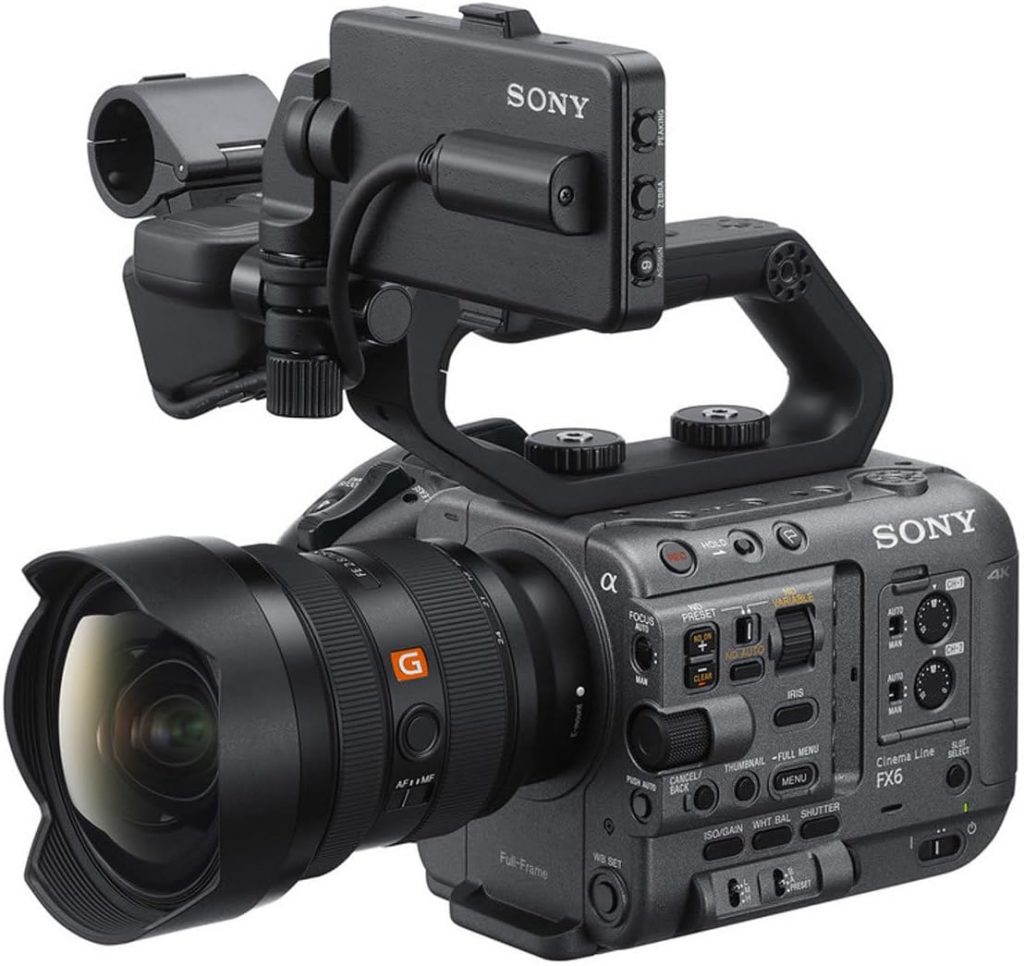
Sony FX6
Why it Holds Up
The FX6 blends Sony’s Venice-inspired color with a full-frame sensor and the low-light capabilities that made Sony a favorite among doc shooters. Its compact body means you can run it solo, rig it up, or fly it on a gimbal without breaking your back.
Why it Competes
Even against new releases, the FX6’s high frame rates, 15+ stops of dynamic range, and autofocus tracking make it a powerhouse. Used, it delivers flagship performance for the price of a mid-tier mirrorless.

for budget filmmakers, prized for its RAW workflow and cinematic flexibility.
Blackmagic URSA Mini Pro 4.6K G2
Why it Holds Up
Blackmagic built its reputation on giving indie filmmakers big-cinema specs at small-budget prices. The URSA Mini Pro 4.6K G2 does exactly that: internal RAW, ProRes, built-in ND filters, and color science that feels like a grade waiting to happen.
Why it Competes
Against newer models, it still brings an image pipeline trusted on indie features and commercials. For filmmakers who want control and flexibility in post, the URSA Mini Pro is still one of the best values on the used market.

and remains one of the best used cinema cameras for budget filmmakers.
Canon C300 Mark II
Why it Holds Up
The C300 line is legendary. The Mark II added 4K, high bit-rate recording, and a rugged body that can handle the abuse of run-and-gun production. You’ve seen its work—it shot documentaries, broadcast series, and branded content that still look good today.
Why it Competes
Its price drop in the used market makes it a no-brainer for filmmakers needing rock-solid reliability. While newer cameras inch past it in resolution, the C300 Mark II wins with workflow simplicity and cinematic color right out of the box.
as one of the best used cinema cameras for budget filmmakers.
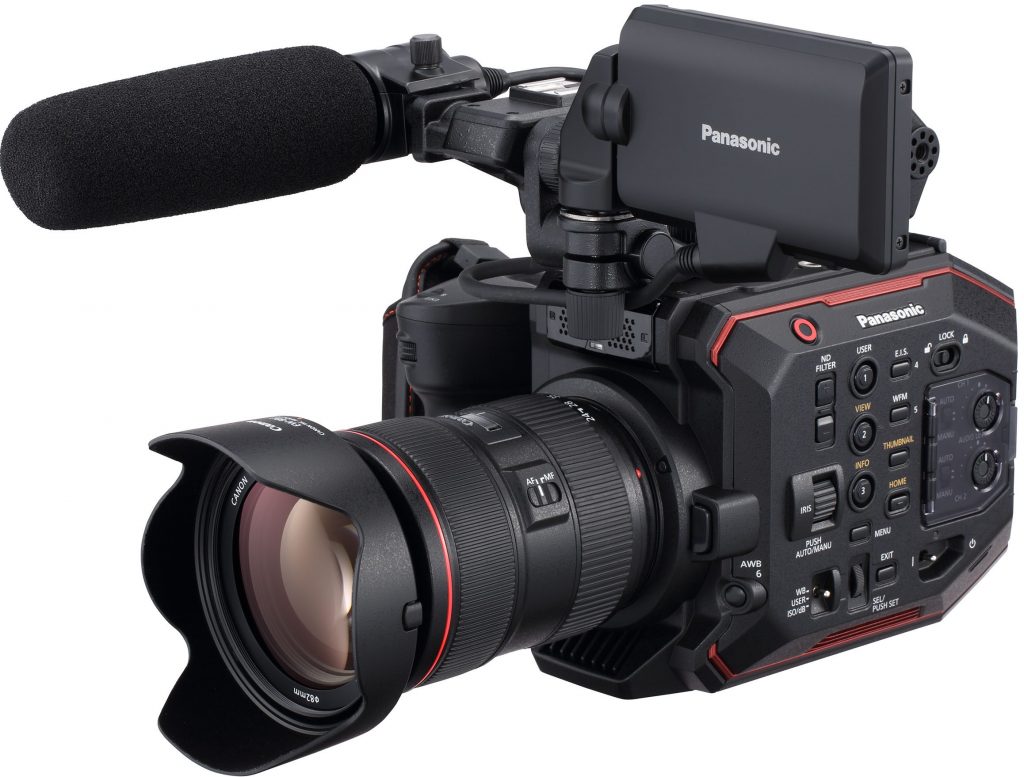
Panasonic EVA1
Why it Holds Up
The EVA1 was Panasonic’s sleeper hit. A lightweight body, 5.7K sensor, dual native ISO, and great color rendition made it a favorite for indie narrative and doc shooters who didn’t want to drag around a shoulder cannon.
Why it Competes
On paper, some specs have been surpassed. But in practice, its image quality still rivals newer full-frame cameras. Its used price makes it one of the most underrated cinema cameras a filmmaker can buy today.

the best used cinema cameras for budget filmmakers.
Sony FS7
Why it Holds Up
There’s a reason the FS7 became an industry workhorse. Broadcast, doc, commercials—you name it, the FS7 has probably shot it. Its Super 35 sensor, internal 4K, high frame rates, and modular design turned it into the Swiss Army knife of cinema cameras.
Why it Competes
In the used market, the FS7 is one of the biggest bargains. It competes not by chasing specs, but by being a trusted, versatile tool. For filmmakers who need one camera that can do it all, the FS7 still stands tall.
The Smart Economics of Pre-Owned
Here’s the bigger picture: every dollar saved on a pre-owned camera is a dollar you can invest where it really counts.
- Lenses: Glass outlives bodies. A killer set of primes or a versatile zoom will shape your style far longer than the incremental resolution bump of a new camera.
- Lighting: Great images don’t come from sensors alone. Lighting separates amateurs from pros faster than spec sheets ever could.
- Sound: The audience forgives a shaky shot faster than they forgive bad audio. Saving on a camera means upgrading to pro sound without regrets.
- Accessories: Rigs, gimbals, external recorders—these turn a camera into a production workhorse.
Buying used isn’t about settling. It’s about reallocating. The cameras listed above already prove their worth on set. That’s why they compete with new releases—not because they’re cheap, but because they’re smart investments.
Where the Community Comes In
One of the hidden benefits of shopping pre-owned? The community itself.
GearFocus, for example, isn’t just a marketplace. It’s a network of creators, filmmakers, and gearheads who know the hustle. When someone lists a Canon C200 or Sony FS7, they’re not just unloading equipment—they’re passing down a tool with history, a camera that has already earned its stripes on set.
That sense of community creates trust. Unlike faceless auction sites, a creator-to-creator marketplace means you know who you’re dealing with. And that matters when you’re making an investment that shapes your creative output for years.
Conclusion: The Real Flex
In an industry obsessed with “new,” the real flex is making something timeless. The best used cinema cameras for budget filmmakers aren’t dusty relics—they’re the same machines that captured the stories shaping our culture right now.
Buying pre-owned isn’t about being behind the curve. It’s about being smart enough to see that the curve is a marketing illusion. The work speaks louder than the spec sheet.
So maybe the next time you scroll through listings and see a C200, FX6, or FS7 pop up, don’t think “outdated.” Think “battle-tested.” Think “ready to roll.”
Because at the end of the day, the best camera isn’t the newest—it’s the one that helps you tell your story without breaking your budget. And more often than not, that camera is waiting in the used section, ready for its next chapter.
FAQ
Q: Are used cinema cameras reliable for professional work?
Absolutely. Many used cinema cameras on the market today have been industry workhorses. With proper care and purchase from a trusted seller, they deliver professional results comparable to new releases.
Q: What should filmmakers prioritize when buying pre-owned gear?
Condition, shutter hours, and seller reputation. Platforms like GearFocus give buyers peace of mind by connecting them with trusted community sellers.
Q: Why choose used instead of new?
It’s about value. A pre-owned cinema camera delivers pro-level performance at a fraction of the cost, letting filmmakers invest more in lenses, lighting, and sound—the true pillars of production quality.
Own one like this?
Make room for new gear in minutes.
